
Search for:

How to create a custom Minecraft modpack, free of charge

Step 1:

Go to curse forge, click on “Get desktop” on top row. Download the version that’s best for your computer.

Step 2

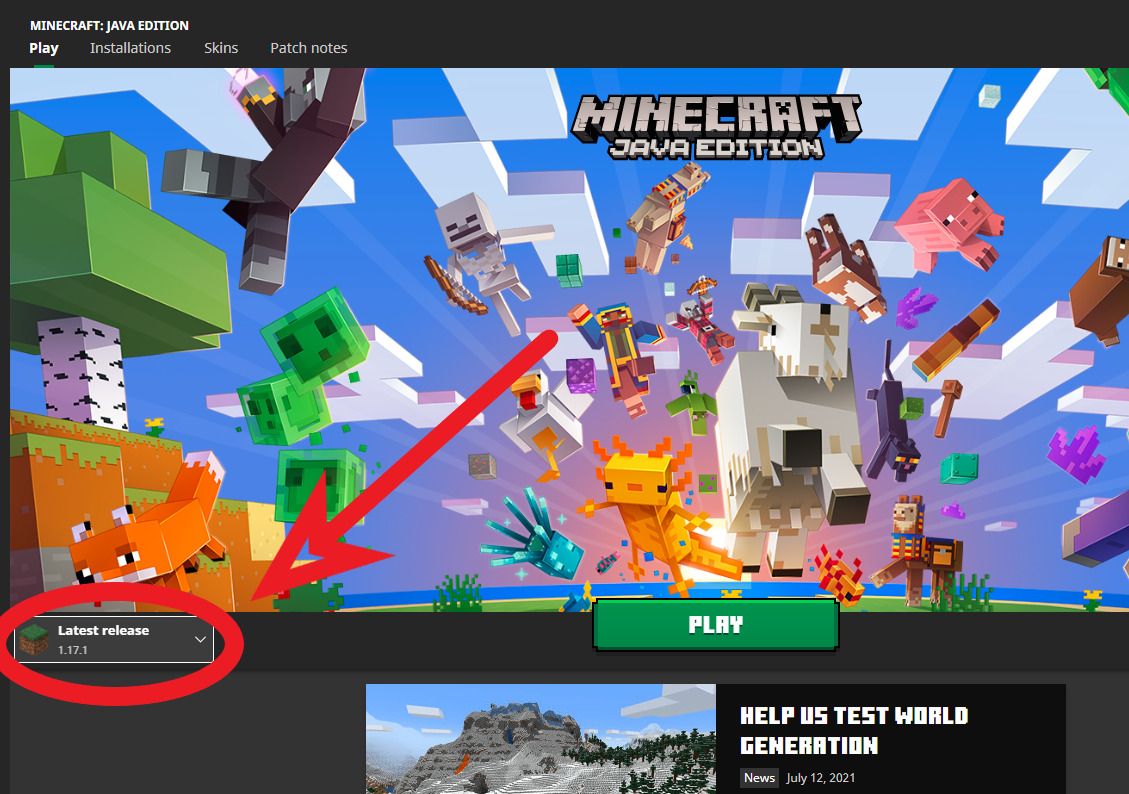
Find out which version of minecraft that either:

  • You have
  • Works better on your computer
  • has the most mods that you enjoy

You can do this by looking at the left of the “play” button when you log in to play minecraft.

Step 3

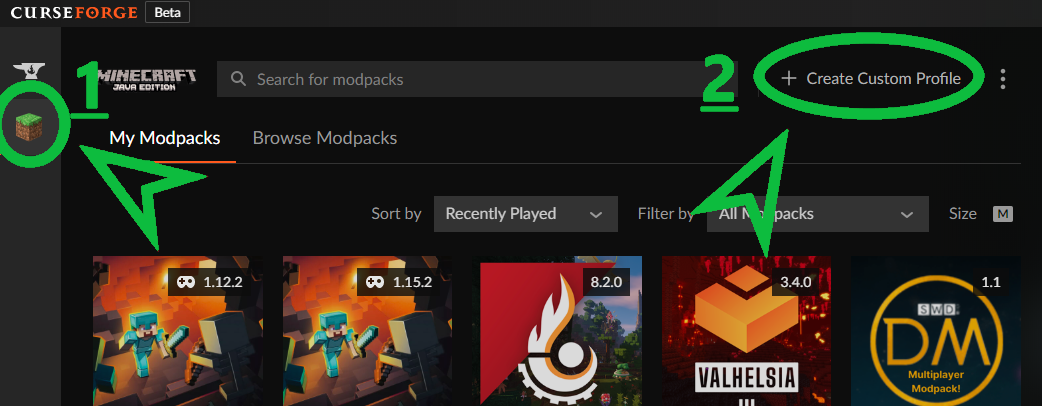
Click on the box that says minecraft. Once you do, it will appear on the left bar as the dirt icon.

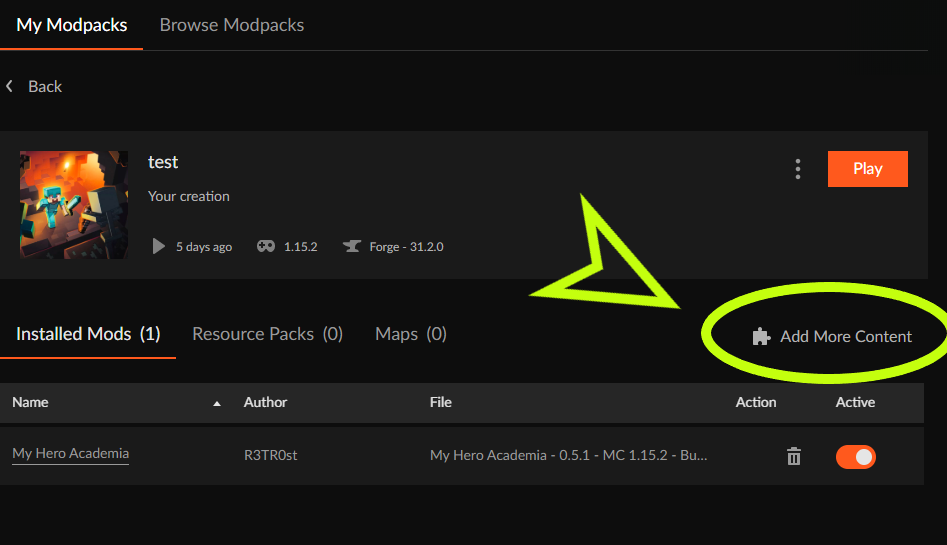
Next, click “create custom profile”

Step 4

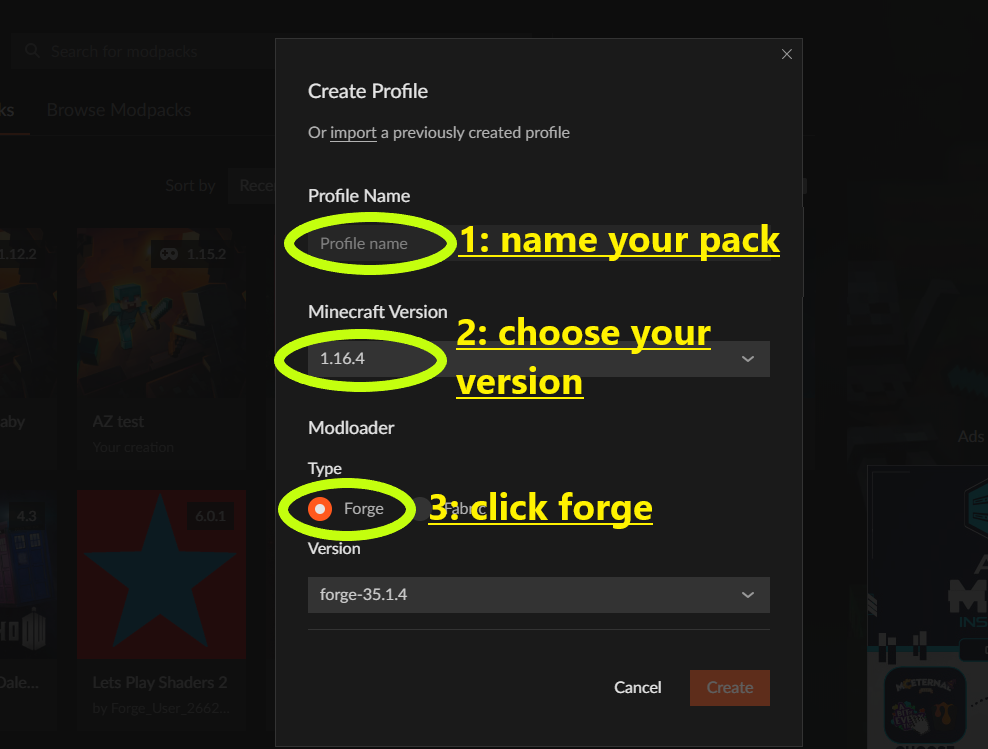
Name your modpack and set the base settings!

Choose your preferred version. Some versions will have more or less mods than others, so your pickings may be limited if you choose later versions.

Click the button that says Forge.

Step 5

Click “Add more content”, and go wild!!!

Something to note

If your computer/PC/Laptop isn’t made for games, it’ll be best to keep the number of mods low, otherwise your gaming device of choice might overheat.

Knock knock knocking on Death’s Door

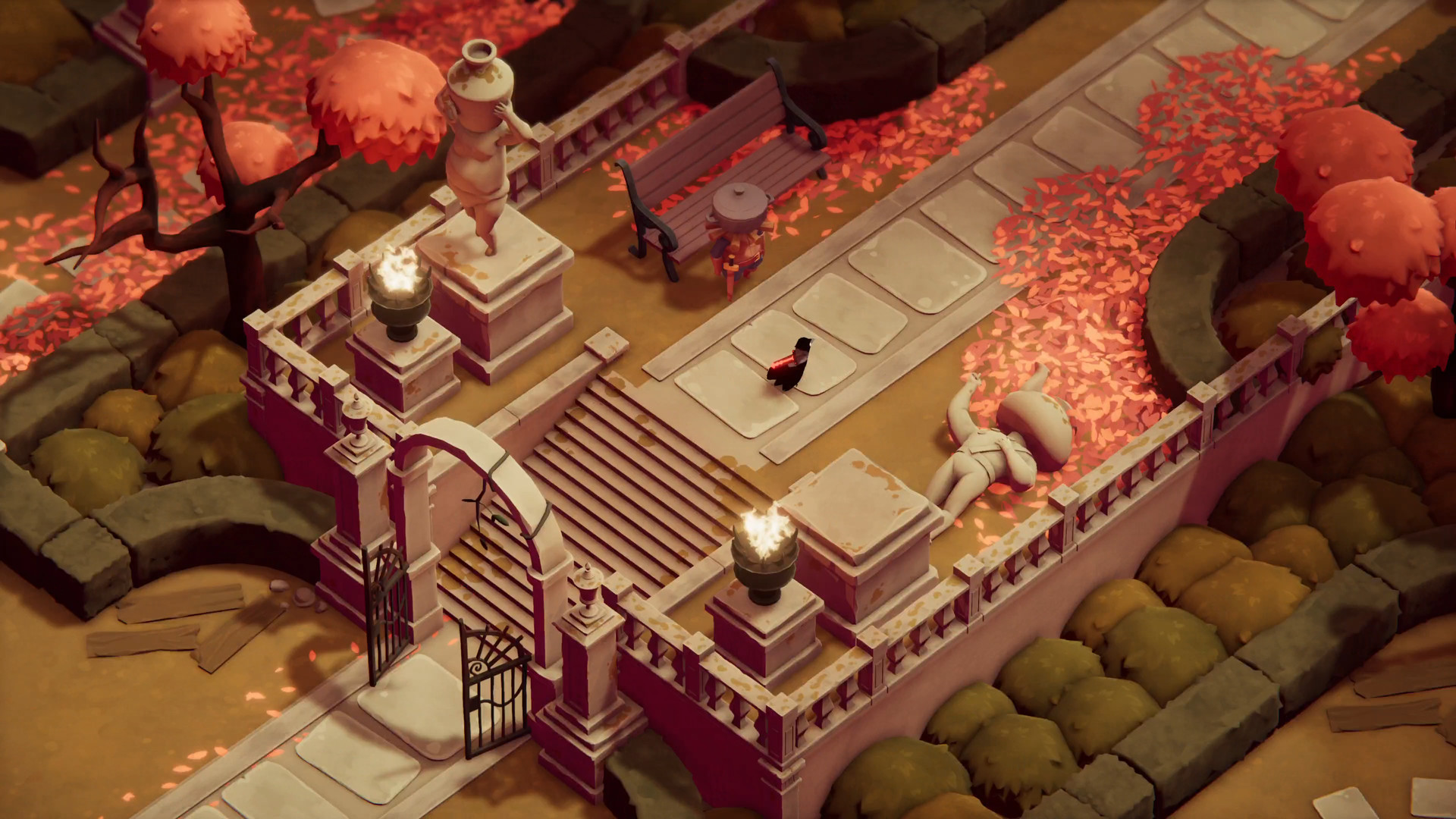
Death’s door is a stylized game with lovely graphics!

It’s to released on X-box S/X and steam in the coming future!

The movements of each character are unique, and the designs are stellar!

The textures used give depth to the already cute and easily-readable characters and environment. The isometric placement of the scenery and fight areas brings them an additional layer of depth in an already 3-D gamescape.

This game looks to a fun a fun romp through a lovingly crafted world, a will be one to look after.

From the Steam page

The Rewinder

Launching this fall on Steam is The Rewinder. Currently, a free Demo is available on Steam! This Game is based on Chinese folklore.

The colors are subdued, and the pastel palette focuses on more neutral colors. The backgrounds, even done in a pixel-art style, stay close to the art style seen in traditional paintings.

The forms of the characters are distinct, and the volume conveyed through the 2D art is nothing short of impressive.

The Sounds effects are excellent, and when the full thing is released, I hope that the story and gameplay are as elegant.

A screenshot of one of the scenes in the game: screencap from the game’s Steam page

How to Create Factions: Part 1

Starting with…

The World ready!

The easiest way to determine factions would be to simply split them by location, or world history.

Then, the conflict could revolve around gaining or maintaining territory, and that could include groups being pushed out of their original territories and then trying to take them back.

You can also split it by the each of the area’s history, using previous conflicts to shape the factions, i.e. political ones.

The Characters ready!

Build your factions around your characters’ core beliefs.

What do your characters care about? What is their worldview? What about the opposite?

With a focus on the characters, the creation of the factions can become integral to your OC’s story. Will they need to grow out of the faction? Will the faction grow and change as the character does? Will they leave one for another as their story moves forward?

And conversely: what does being in that faction say about the character? What does a monster being in a Hunter’s faction, for example, say about the monster? Are they guilty? Do they doubt their identity, or are they a wolf in Sheep’s clothing waiting to strike?

by Abby Zarakovich

How to Create Factions: Part 2

Video Games have long graduated from simple fights between good and evil. Games are now tied with intricacies and multiple sides, each believing that they are the ones that are correct.

The question now becomes “How do I put that into my game?”. As with my other articles, there are multiple ways to go about this!

It is best to begin at the beginning!

I want to start with the factions…

The Question to ask here is “Why are there factions in the first place?”

Usally a group splits over an arguement; as creator, you decide what kind of disagreement causes the breakup.

What do people believe in enough that their goals and ideals split? Is it something simpler, like a land disagreement or a family squabble? Are the factions gunning for power, splitting politically? Are the factions after a superweapon, an their reasons for wanting it are causing the divide?

In this way, the creation of the factions and therefor, their very existence drives the story.

Emphasis

By creating them first, it puts more emphasis on them, rather than other aspects. This works in your favor if you want to use your story to explore methodologies or philosophies, and what causes people’s differences.

Having factions be at the center of your story allows for discussions with lines drawn in the sand, and it’s up to you (or your players) to decide if they stay, move, or fade entirely.

Effect

A good way to gauge how much your factions affect the story you’re creating is this:

What happens if something about the faction changes?

If destroying the faction of choice does nothing, then it has no impact on the story. This isn’t necessarily a bad thing: If it impacts the World or the characters, it can stay! Asking this question can help gauge how much you want to focus on that faction. If it’s deemed insignificant, than you can skim over it, or maybe change your story if you’re really attached to the idea of it.

What does the faction add to your story?

As mentioned above, if the addition of this faction bolsters other parts of your story, it should stay in. Depending on how much it affects the rest, you can draw the players/readers attention to it by having the story be more closely tied to the factions.

Larger than Light

from their site

Larger than Light‘s gameplay takes full advantage of the medium its made for, with a playful style that’s a feat for the eyes.

The gentle pastels and harsh shadows don’t just look good: they’re used for gameplay! You maneuver Characters that represent both Shadow and Light source to traverse this puzzle-platformer.

You help the main characters Skia and Lux overcome their differences and bond as siblings as you adventure, and listen to their conversations as you go along. This game not only looks good, but also sounds good, with fully-voiced dialogue!

This game can also be found on steam, for the more than reasonable price of $4.99!

by Abby Zarakovich

Dies Mortis

This is a game made by architecture students. I see it more of an art piece, for those times when people say that video games are an art- which this game really proves.

The Stages of death mark the stages seen in the game, rendered lovingly by first-time creators, by a team of 3 students from National Superior School of Architecture of Versailles. It’s a variation on 3-D platformers with stunning lighting an easy-to learn gameplay.

Even if the entire game runs for a mere hour, I believe that it will be an hour well spent.

Link to download here.

from their download page

by Abby Zarakovich

Filament

Filament (released back in April of 2020) is a sci-fi Puzzle game with a story thread running throughout.

In Filament, you explore the ship and its crew while solving delightfully colorful puzzles.

The game is known for its notorious difficulty, but even as those that review it flounder, they insist that the story and aesthetics make the game worth it.

Filament looks gentle on the eyes, the brightly colored (and titular) filament and the poles are high-contrast, and don’t get lost in the background.

from the Steam page

Vivid Knight

This Upcoming game on Steam has all the cuteness of a mobile game paired with the dungeon crawl adventures found in early MMOs.

Vivid Knight fits its name and reunites the modern gatcha with it’s fantasy-based ancestor (the MUD).

It’s character designs (varied and colorful as the name implies) works well with the graphics that accompany the randomly-generated dungeons that are the base of the game.

Mixing and matching the crystals that represent characters let you fight mobs and move through the dungeon, moving your party and the story along.

Vivid Knight’s building on the respected genre of dungeon crawler may revive the fun that nerds in ages past have enjoyed for themselves, and bring the 8-bit style of game into a new era.

Overall Aesthetic: The gems and art style are cute, with good color choices!

Gameplay: As someone who like randomized dungeons, this is one that drew my eye: I like how some rooms are optional, and if you don’t want to do something, a whole bunch of room types have option to not engage.

from the game’s Steam page

Ancient Board Games: Royal Game of Ur

A game like this, from 2600 BC, is full of intrigue. This delicately carved block of stone, with flowers and markings etched into the rock, sings to played again.

A 4×3 board is connected to a 2×6 board with 2 squares. There are 4 d4’s, with dots on 3 of the points. And there are 7 Tokens per player, with one blank side, and one side with 5 dots

We have the board, the dice the pieces, and the question remains: how do we play it?

Rules have been found for advanced versions of the Royal Game of Ur: the sweet irony of which is that the base rules are speculation. All we know for sure about the base game is some of the markings’ meanings, and that the goal is to get all your pieces across the board. Even the exact route is unknown.

Because of that, there are a few different sets of rules floating around the internet.

One of several points of argument is whether rolling a Zero on the dice counts as a zero, a four-space movement, or as a “roll again”.

Another point of argument is when/how pieces may be moved onto the board. On Some of the boards, the pieces are numbered, and one guess is that you must roll that exact number to play them. Other rules have suggested that you have to roll a certain number (either 4 or 0) to bring out any piece, and some discard that notion entirely; you can bring a piece onto the board at anytime.

I suppose that if you wish to play it, it’s like any game of UNO: the rules are decided by players agreeing (or acquiescing) to them.